
Habitability laws exist for a clear reason: They are meant to protect people from unsafe living conditions and to ensure housing providers take repairs seriously.
For nonprofit organizations providing housing to people exiting homelessness, those protections matter. Many of the people they serve have already experienced instability and harm.
What fewer people may understand though, is how those same laws are now being exploited in ways that damage nonprofit housing programs and ultimately reduce access to affordable housing.
Over the past several years, a pattern has emerged. Certain plaintiff attorneys have developed a repeatable strategy that turns habitability claims into a reliable revenue stream. Nonprofit homeless shelters and transitional housing providers are frequent targets, not because they are uniquely negligent, but because of how they operate and whom they serve.
Why Nonprofit Housing is Especially Exposed
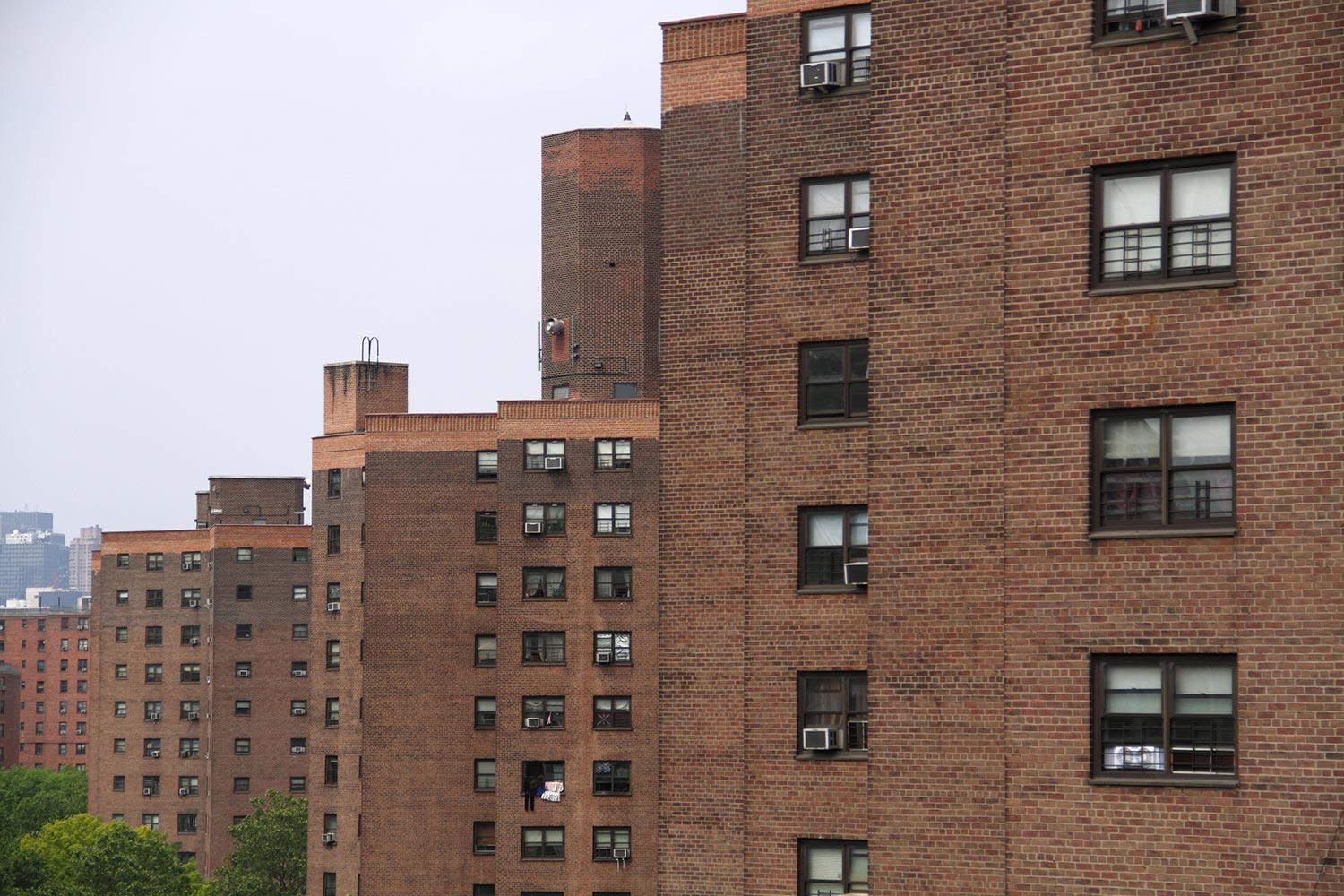
Many nonprofits that provide shelter or supportive housing lease older buildings, such as former hotels, motels, dormitories, and aging apartment complexes.
These are often the only types of properties available at scale and at rents nonprofits can afford, but many are not designed for long‑term residential use or for communal-living environments.
Repairs in older properties are complicated. Plumbing failures can cascade. Electrical systems may not meet modern standards. Replacement parts for elevators or boilers are sometimes unavailable for weeks at a time.
Even when a nonprofit acts quickly and responsibly, fixes take time.
At the same time, many residents are transitioning out of homelessness. Some struggle with untreated health conditions. Some are dealing with addiction. Some have never lived in shared housing before. In these settings, property damage can be frequent and severe.
Furniture is broken. Fixtures are removed. Water damage spreads from a single room to multiple units. These conditions can create real habitability issues, even when they are caused by residents rather than neglect.
A Familiar Pattern
Consider a small nonprofit that operates transitional housing in a former roadside motel. Maintenance staff respond to issues as they arise, repairing rooms and replacing plumbing. Pest control services are under contract.
What staff notice is a pattern: As soon as one unit is repaired, another develops serious damage. In some cases, the same room is damaged repeatedly. Overflowing sinks soak floors. Toilets are removed. Walls are punched through. The damage is often discovered long after it occurs.
Before the nonprofit can stabilize the property, a lawsuit arrives.
The complaint alleges widespread habitability violations across multiple units. Several residents are named as plaintiffs. The nonprofit is accused of failing to maintain safe living conditions over an extended period of time.
The lawsuit does not mention the repair records. It does not mention the ongoing cycle of intentional damage. It does not mention that many of the issues were never reported to staff.
How The Scheme Works
From the outside, these cases look straightforward. Uninhabitable conditions exist, and habitability laws can be strict. For nonprofits, the risk of large, unfavorable verdicts is real, especially in jurisdictions with tenant‑friendly statutes.
What makes this model effective is scale and speed: Plaintiff attorneys identify clusters of residents in a single building and file claims together. Litigation costs rise immediately.
Historically, many of these cases were settled quickly. Not because the nonprofit caused harm, but because the cost of fighting felt too high and the outcome too uncertain.
That predictability is what made the scheme profitable.
The Hidden Cost to Residents
Quick settlements do not fix buildings or improve conditions over time.
Instead, nonprofit resources that could have funded repairs or services are redirected to litigation expenses and increased insurance costs. Nonprofits become more cautious, and some stop offering housing altogether.
In certain areas, eviction laws make it extremely difficult to remove residents whose behavior harms others.
As a result, one person’s destruction of shared infrastructure can impact dozens of neighbors, and the nonprofit’s staff are left trying to protect the collective while having few tools to do so.
The result is fewer beds, fewer programs, and fewer organizations willing to take on the work of housing people who need significant support.
Why This Matters Now
Legitimate tenant complaints should be taken seriously. Habitability protections remain essential, and when housing providers fail to act, accountability matters.
A legal framework designed to protect residents is also being used by these plaintiff attorneys to finance repeated litigation, often at the expense of affordable housing itself.
In the next post, we will examine why quick settlements became the default and how that approach unintentionally rewarded destructive behavior. We will also explain why doing things differently is now necessary to protect the nonprofit housing system as a whole.