
Nonprofits Insurance Alliance (NIA) provides risk intelligence rooted in the real-world challenges 501(c)(3) organizations face every day. This resource addresses the most frequent risk management questions that nonprofits and brokers encounter.
- Primary Focus: Practical answers to prevention, exposure, and mission protection.
- Who This Is For: Nonprofit executives, operations staff, board members, and specialized brokers.
- Real-World Value: Context to identify risk patterns and facilitate informed conversations.
Our goal is to help organizations move beyond generic checklists to focus on the unique cultural and mission-driven needs of the social sector.
Important Note: This content is educational and does not replace legal advice, safety guidance, or specific recommendations from a licensed broker.
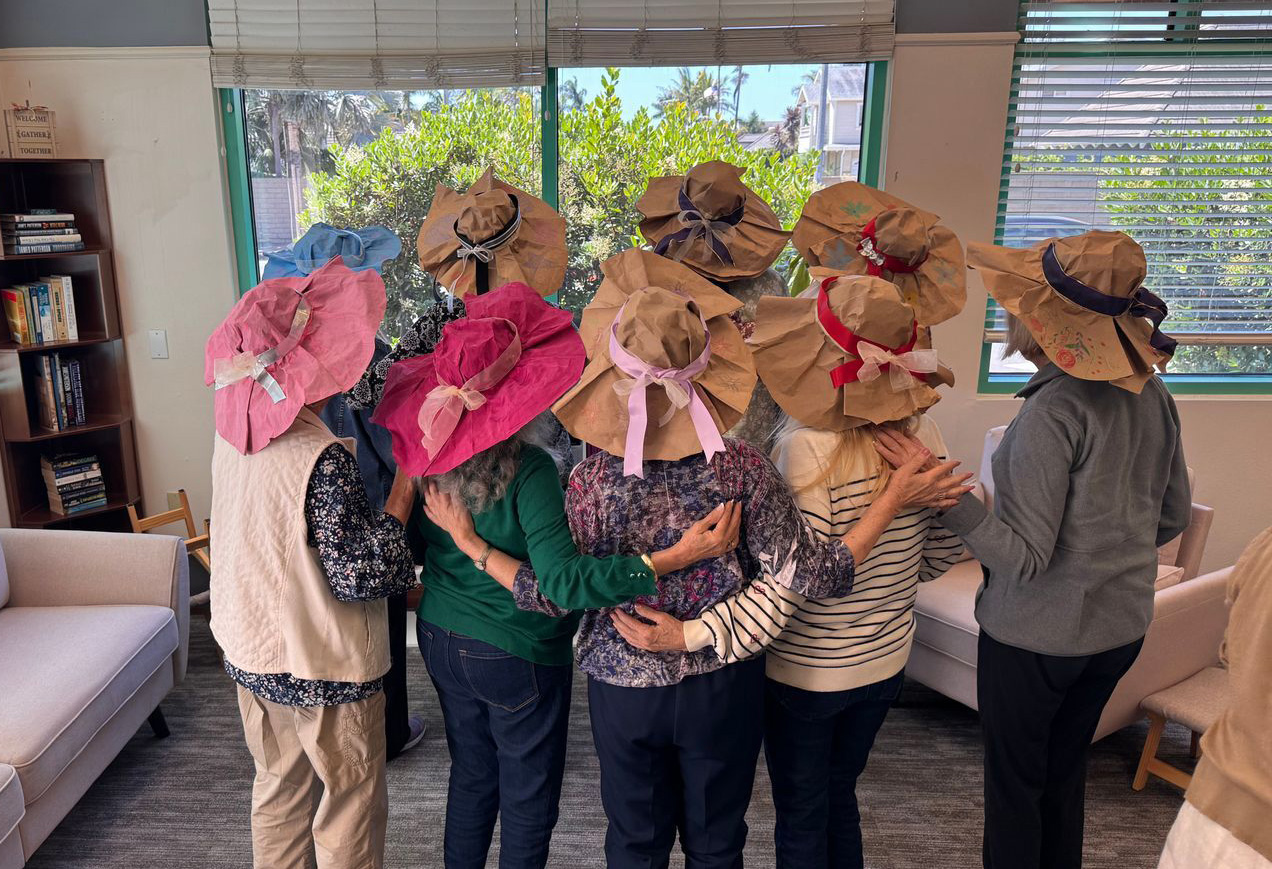
Insured by NIA:
Alzheimer’s Family Services Center
Huntington Beach, CA
Table of Contents
- What is risk management?
- Why do nonprofits need risk management?
- What are the most common risks nonprofits face?
- How do boards and governance affect risk?
- How can nonprofits reduce volunteer‑related injuries?
- How do programs and services affect risk exposure?
- How can facilities be kept safe and secure?
- Why are regular risk assessments important?
- How should nonprofits track and report risks?
- How can nonprofits build a culture of risk awareness?
- What roles do staff and volunteers play in risk management?
- How can nonprofits access NIA’s risk management resources?
- Building a Resilient Nonprofit
What is risk management?
Risk management is the practice of spotting potential problems and taking steps to prevent harm to an organization and its mission.
For a 501(c)(3) nonprofit, this means protecting people and financial resources in ways that sustain public trust through thoughtful planning and oversight.
By identifying risks early, organizations can correct unsafe situations and strengthen how their work is done, reducing the likelihood that small issues become costly incidents.
Key components of risk management include:
- Identifying risks: Noticing areas of the organization where activities or decisions could lead to harm.
- Evaluating risk: Considering how likely an incident is and how serious the impact could be.
- Reducing risk: Taking practical steps to make activities safer and reduce the likelihood of an incident taking place.
- Ongoing review: Regularly checking that safety practices still work as the organization grows or changes.
Important note: Risk management is an ongoing responsibility. Regular review and training prepares staff to handle incidents confidently when they occur. While strong practices can prevent many problems, risk management does not replace the need for insurance. Insurance is a risk management tool used to help cover unexpected losses. This information is educational and not legal advice.
Resources Available for NIA Members: Nonprofits insured by NIA get access to free and discounted risk management services to help protect their organizations.
Why do nonprofits need risk management?
Nonprofits need risk management to remain stable and maintain public trust. Because most 501(c)(3) organizations operate with limited resources and high public visibility, even one unresolved issue can threaten their mission.
Risk management strengthens an organization’s ability to operate safely and responsibly, beyond what insurance alone can address.
Key benefits of risk management include:
- Protecting financial resources: Reducing losses that could divert funding from programs and services.
- Maintaining trust: Showing supporters and the broader community that the organization takes safety and responsibility seriously.
- Meeting legal obligations: Following required laws and standards to reduce the risk of penalties or audits.
- Keeping services running: Preparing for emergencies and supporting consistent, safe operations.
Important note: Strong risk practices often support more stable insurance costs over time. Risk management is also a core responsibility of nonprofit boards and part of their duty of care.
Resources Available: All nonprofits can get free e-books on risk management for nonprofits for advice on protecting your mission.
What are the most common risks nonprofits face?
Nonprofits face a range of risks that can affect their people and assets as well as how leadership decisions are made.
While every 501(c)(3) has a unique mission, many organizations encounter similar challenges tied to their spaces, their workforce, their operations, and their governance.
Common risk areas include:
- Facilities and day‑to‑day operations: Accidents or property damage that occur as part of routine nonprofit operations.
- Staff and volunteer management: Issues related to how employees and volunteers are hired, dismissed, supervised, and treated.
- Leadership and oversight: Financial missteps and governance practices that reflect weak decision‑making or inconsistent follow‑through.
- Transportation activities: Risks that arise when staff or volunteers use vehicles while carrying out nonprofit work. This includes the use of vehicles owned or leased by the nonprofit, as well as staff or volunteers using their personal vehicle on behalf of the nonprofit.
Important note: Identifying a risk is only the first step. Having insurance does not guarantee protection in every situation, as coverage depends on policy details and limits. Organizations should review their operations regularly and work with a licensed broker to assess their specific needs.
Resources Available for NIA Members: NIA-insured nonprofits get free access to My Risk Management Plan, an online tool to help build their organization’s custom safety strategy.
How do boards and governance affect risk?
A nonprofit’s board of directors plays a central role in reducing organizational risk through oversight and clear policies. Governance is not just administrative work. It is a key part of protecting the organization’s mission and long‑term stability.
When a board does not meet its duty of care, the nonprofit becomes more exposed to legal and financial problems that can disrupt operations and damage trust.
Key areas of board responsibility include:
- Financial oversight: Ensuring that funds are used as intended and handled responsibly, including grants and donations.
- Policies and organizational culture: Setting clear expectations for staff and volunteers through written policies and consistent enforcement.
- Loyalty and ethics: Acting in the best interest of the organization and addressing conflicts of interest promptly.
- Ongoing review: Regularly revisiting safety practices and coverage needs as programs grow or change.
Important note: Strong governance lowers risk but cannot prevent every legal claim. Board members may still face lawsuits related to their official duties, which is why appropriate board‑level protection, such as NIA’s Board & Executive Liability, is an important part of responsible leadership.
Resources Available for NIA Members: Nonprofits insured by NIA get free access to BOARDnetWORK, an online tool designed to improve your board’s efficiency and communication.
How can nonprofits reduce volunteer‑related injuries?
A nonReducing volunteer injuries starts with clear expectations and a shared focus on safety. Volunteers are essential to nonprofit work, so protecting them helps the mission and reduces financial risk.
Good risk management means spotting problems early and addressing them before someone gets hurt.
Practical steps that make a difference include:
- Training and orientation: Give every volunteer clear guidance on their responsibilities and the safety practices required in their role.
- Appropriate task assignments: Assign work that fits each volunteer’s skills and physical abilities to reduce avoidable injuries.
- Routine safety checks: Regularly review work areas for hazards and correct issues promptly to prevent common accidents.
- Written safety guidelines: Keep safety expectations documented in a volunteer handbook and confirm that volunteers understand them.
Important note: Even strong safety practices cannot prevent every accident. General Liability insurance can help protect the organization if a volunteer is injured while working on its behalf.
Consider how NIA’s Volunteer and Participant Accident Coverage may provide an extra layer of protection for the people who make your mission possible. designed to improve your board’s efficiency and communication.
How do programs and services affect risk exposure?
Every program a nonprofit offers brings its own risks that must be addressed to keep the organization protected. As a nonprofit grows, those risks change. For example, risk management that works for a small office may not be enough for an active community program.
Program offerings that may affect your nonprofit’s level of risk include:
- Direct client interaction: Programs that work closely with vulnerable populations can face a higher risk of claims related to how services are provided. These situations call for closer oversight and appropriate coverage.
- Physical activities and events: Hands-on programs and in-person events increase the chance of injury or property damage, especially when large groups or physical effort are involved.
- Off-site operations: Programs that take place away from your facility reduce control over the environment and often involve travel, which can introduce additional risk.
- Funding and contract requirements: Grants and other funding agreements often require specific insurance limits. Failing to meet those requirements can jeopardize your funding.
Important note: Always notify your broker when launching a new program or making major changes to an existing one. This helps ensure your coverage continues to match how your organization operates.
How can facilities be kept safe and secure?
Maintaining a safe and secure facility requires ongoing attention and staff awareness.
For many nonprofits, their facilities support daily work and program delivery. Keeping them well maintained helps protect people and organizational assets, including reputation, while reducing the chance that small issues turn into costly claims.
Helpful steps to consider include:
- Routine maintenance: Schedule regular walkthroughs to identify hazards, especially in high-use areas. Address issues like uneven floors, wet surfaces, loose rugs, or poor lighting before they lead to injuries.
- Fire safety and emergency planning: Inspect fire extinguishers and test smoke detectors on a regular schedule. Keep exits clear and make sure staff and volunteers understand the evacuation plan.
- Access and security controls: Limit access to areas that contain private information or valuable equipment. Visitor sign-in procedures and working exterior locks help prevent unauthorized entry and theft.
- Outdoor areas: Monitor all exterior access areas. Keeping these spaces clear, well lit, and visible helps prevent accidents and improves overall safety.
Important note: A well-maintained facility is an important safeguard against injury claims. While these steps reduce risk, General Liability coverage is still helpful in case an accident occurs on the premises.
Resources Available for NIA Members: Nonprofits insured by NIA get exclusive discounts on emergency communication software that can help keep your people connected and safe during a crisis.
Why are regular risk assessments important?
A regular risk assessment helps ensure a nonprofit’s protections keep pace with its mission. As organizations grow and change, new risks can emerge that may not be covered by their existing policies or procedures.
A review helps identify what is working and where adjustments are needed.
A thorough risk assessment can support the organization in several key ways:
- Identifying new risks: Changes such as remote work or online fundraising can introduce issues like data security concerns that did not exist before.
- Avoiding coverage gaps: New assets or changes to operations can mean outgrowing a nonprofit’s current insurance limits. Regular reviews help confirm that coverage still reflects the organization’s assets and activities.
- Strengthening day-to-day operations: Reviewing risks often highlights opportunities to improve processes. Updating practices, such as volunteer screening, can save time while reducing liability exposure.
- Supporting informed board decisions: Sharing risk findings with the board demonstrates responsible oversight and provides leadership with clearer information for financial and strategic planning.
Important note: A risk assessment is most effective when it leads to clear follow-up actions. Working with a broker, organizations should conduct a formal review at least once a year, or after any major purchases/program changes. After the review, the organization should consider updating their safety procedures or insurance coverage as needed.
Resources Available for NIA Members: Eligible NIA-insured nonprofits get free, unlimited access to NIA’s Risk Management Consulting Services.
How should nonprofits track and report risks?
Effective risk tracking helps nonprofits turn what they observe into clearer decisions about safety and oversight.
It goes beyond completing paperwork after an incident and instead creates an ongoing picture of how well programs and operations are functioning.
Key elements of an effective tracking process include:
- Incident reporting system: Set up a simple, clear process for staff and volunteers to report accidents and near misses right away. A standard form should record the date, location, people involved, and what happened in plain, factual terms.
- Central risk log: Keep one secure record of all reported incidents and known hazards. This makes it easier for leadership to notice patterns, such as repeated issues tied to a certain program or location.
- Regular board reporting: Make risk updates a standing item on the board agenda. A short summary of incidents and follow-up actions shows active oversight and supports the board’s duty of care.
- Follow-up and corrective action: Reporting only matters if it leads to change. Each report should prompt a review and a specific fix, such as securing or replacing a loose rug after an incident where someone tripped.
Important note: Accurate records are an important defense if a claim arises later. Most insurance policies also require timely and complete reporting to your broker.
Resources Available for NIA Members: NIA members get access to free risk management webinars to help them explore new regulations and safety strategies that may affect them.
How can nonprofits build a culture of risk awareness?
A culture of risk awareness is built when safety and protection become a shared responsibility rather than a set of rules from the board.
In a risk-aware nonprofit, every staff member and volunteer understands how their daily actions impact the organization’s mission and financial health.
This mindset ensures that hazards are identified and addressed before they lead to a claim.
Nonprofits can build and reinforce this culture through the following actions:
- Lead by Example: Leadership should prioritize risk management in meetings and retreats, framing it as a tool for sustainability rather than a simple insurance requirement.
- Open Communication: Foster a “no-blame” environment where reporting a near-miss is encouraged to identify systemic issues like a lack of training or faulty equipment.
- Standardized Onboarding: Integrate safety protocols and specialized training, such as abuse prevention or cybersecurity, as a mandatory part of orientation for all new hires.
- Recognize Proactivity: Acknowledge individuals who identify risks or suggest safety improvements, reinforcing that protecting clients, staff, and assets is a valued contribution to the mission.
Important Note: Cultural shifts significantly reduce the frequency of accidents, but Directors & Officers (D&O) and General Liability policies are helpful for unexpected events.
Resources Available for NIA Members: NIA-insured nonprofits get discounted access to BLR Employee Handbook Builder, a tool to help create customized, compliant employee handbooks.
What roles do staff and volunteers play in risk management?
Staff and volunteers play a direct role in protecting a nonprofit from risk. While the board sets policies, the people doing the work each day are the ones who notice problems and follow safety practices. Their involvement is what turns written rules into real protection.
Staff and volunteers support risk management in several key ways:
- Identifying hazards: Because they work directly with clients and facilities, staff and volunteers are often the first to notice unsafe conditions such as broken equipment or blocked walkways.
- Following safety practices: Risk management depends on consistent use of established rules, including required screenings and other standards that govern supervision and information handling.
- Reporting incidents: Prompt reporting of near misses or minor injuries allows the organization to address problems before they lead to more serious claims.
- Protecting the mission: Professional behavior and adherence to the code of conduct help safeguard the organization’s reputation and public trust.
Important note: To support staff and volunteers in these roles, nonprofits must provide regular training and clear reporting processes. Even with strong practices in place, accidents can still occur, which is why having coverage is important.
Resources Available for NIA Members: Eligible NIA members get access to discounted nonprofit screening services, as well as free defensive driver training courses.
How can nonprofits access NIA’s risk management resources?
While NIA offers a specialized e-book library free to all nonprofits, the full suite of premium risk management tools is an exclusive benefit for organizations insured by NIA.
Because NIA is a 501(c)(3) itself, these resources are specifically designed to address the unique operational needs of the nonprofit sector. These tools allow nonprofits to focus on their mission while NIA helps manage the underlying risks.
Resources for All Nonprofits
- Nonprofit Risk Management E-books: Any nonprofit can access NIA’s library of non-technical e-books. These guides provide practical guidance and sample materials to help you navigate complex safety topics.
Exclusive Benefits for NIA Members
- Customized Planning Tools: NIA members receive a free subscription to My Risk Management Plan, an online tool that helps nonprofits build a safety strategy tailored to each organization’s specific priorities and culture.
- Direct Consulting and Training: NIA offers free consulting services and webinars to help identify key risks. Eligible embers also have access to state-mandated harassment prevention training to keep staff and supervisors in compliance with the law.
- Specialized Safety Programs: For eligible organizations with higher physical risks, NIA provides the following free resources:
- Operational Support: Beyond safety, members can use BOARDnetWORK for better board communication and access the PurchasingPoint® program for significant discounts on everyday expenses.
Important Note: Access to certain premium tools may depend on your specific policy type and eligibility. It is the responsibility of each nonprofit to review the available member benefits with their broker to ensure they are utilizing the right tools for their unique operations.
Building a Resilient Nonprofit
Navigating the operational risks of a 501(c)(3) requires more than just an insurance policy; it requires a culture of informed prevention.
These common questions and answers are designed to help nonprofit leaders and brokers address the most frequent challenges in the social sector.
By applying these insights to your governance and operations, you can move beyond simple compliance and build a more resilient organization.
Next Steps for Your Mission
Whether you are just starting to build a safety plan or looking to refine a sophisticated risk strategy, NIA provides specialized tools for every stage:
- For the Educational Path: Download NIA’s free risk management e-books to access expert advice and sample forms in non-technical language (free to all nonprofits).
- For the Action-Oriented Leader: Build a customized safety strategy tailored to your unique priorities with My Risk Management Plan (free to NIA members).
- For High-Level Strategy: Access personalized support through NIA’s Risk Management Consulting to identify and mitigate complex organizational risks (free to NIA members).
- Get Protected: If you are ready to secure coverage tailored to your mission, Get a Quote to begin the application process with a carrier that understands the nonprofit sector.
Important Legal Information
This resource is for general educational purposes only and is informational in nature. It does not provide legal, insurance, financial, or professional advice.
Because every 501(c)(3) organization has unique needs, this information should not be used as a substitute for guidance from a licensed insurance professional or legal counsel familiar with your specific circumstances.