

For years, abusive habitability claims relied on a simple assumption: That cases involving multiple residents would be resolved quickly and collectively.
Allegations were grouped. Pressure mounted. Settlements followed.
This new approach changes how these cases are handled.
Claims are examined at the individual level. Each claimant is evaluated on their own facts, and each allegation must stand on its own.
Moving From Group Claims to Individual Accountability
Many habitability lawsuits are filed on behalf of dozens of residents at once. From the outside, these cases appear efficient: Because these are similar allegations and shared conditions, one legal theory can be broadly applied.
In practice, however, this approach only works if no one looks too closely.
Under a more deliberate strategy, each claimant is investigated individually. Maintenance and repair records are matched to specific units. Timelines are compared and personal accounts are examined for consistency.
Most importantly, claimants are deposed.
This requires plaintiff attorneys to work directly with individuals they may have signed up quickly and in volume. It requires substantial preparation and sustained attention, demands that do not fit a high‑volume practice.
A Different Experience for Plaintiff Attorneys
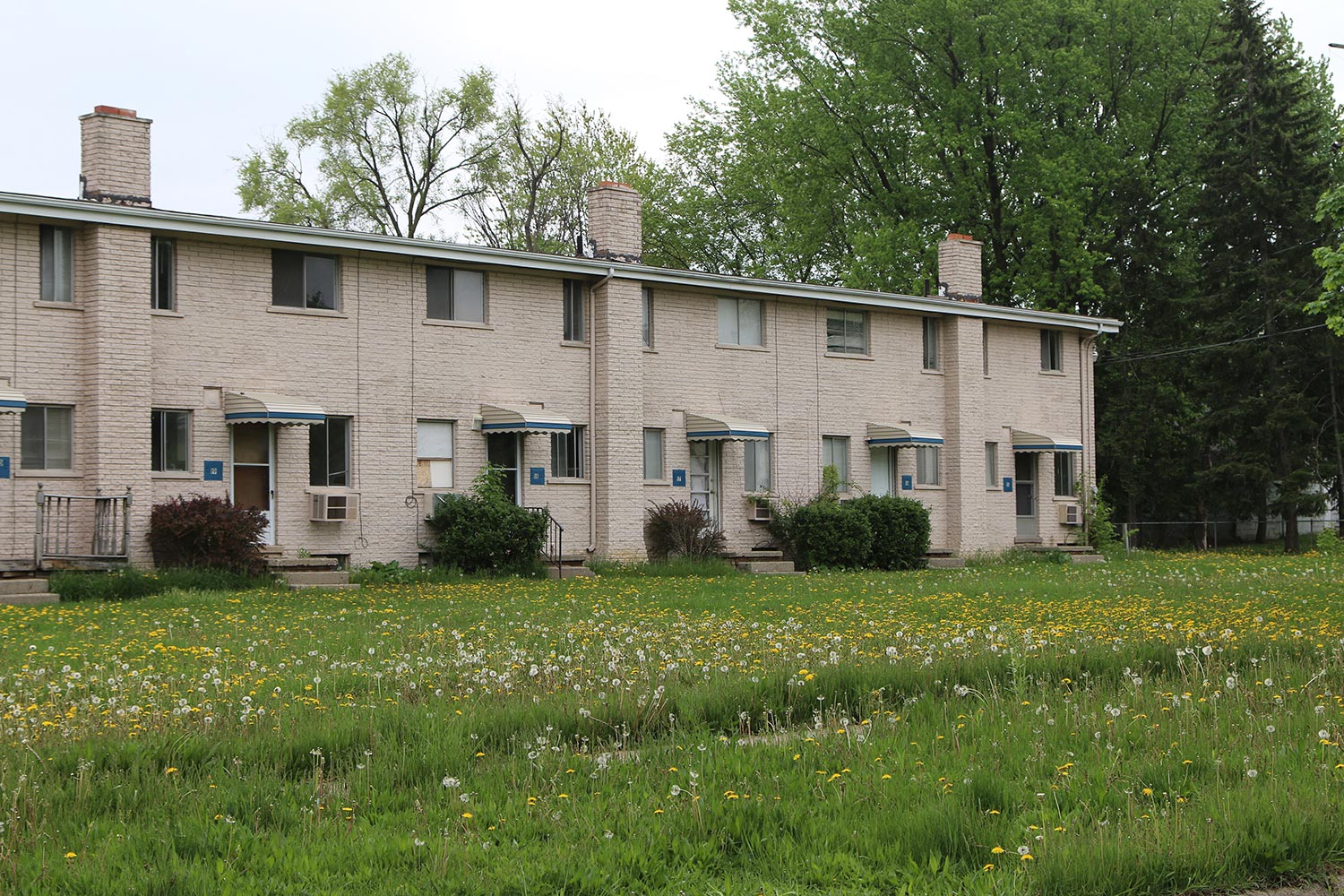
Consider a habitability lawsuit involving multiple residents in a nonprofit‑run housing site. Allegations include unsafe conditions and prolonged disrepair.
Each resident is questioned separately:
- When did the issue occur?
- Was it reported?
- What happened next?
- What repairs were made?
- What damage followed?
Some claimants struggle to answer. Timelines conflict and individual accounts often differ. In some cases, residents acknowledge that damage continued after repairs were completed.
The labor required of the plaintiff attorneys rises quickly. Preparing dozens of individuals for depositions is slow and expensive, particularly when coordinating schedules is difficult and claimants can be transient or hard to locate.
For plaintiff attorneys who never intended to engage with claimants one-on-one, the economics no longer work.
Why This Strategy is Effective
Abusive habitability litigation depends on efficiency. That means the plaintiff attorneys need to work quickly to aggregate claims and apply pressure on the housing provider, so that cases get resolved before all the facts can be fully examined.
Depositions disrupt that efficiency.
They force specificity and bring inconsistencies to light, making weak or manufactured claims harder to maintain.
Legitimate claims still move forward. Individuals who experienced real harm and can articulate it clearly remain credible. Weak claims become harder to maintain.
This strategy maintains access to the courts while requiring that claims be supported with specific testimony, records, and consistent timelines.
The Impact on Nonprofit Housing Providers
When claims are examined individually, outcomes improve across the system.
Resources are spent responding to real issues rather than processing volume. Repair funds are preserved and staff can focus on stabilizing housing instead of preparing blanket settlements.
Perhaps most importantly, nonprofits are no longer seen as easy targets.
When abusive claims become too costly to pursue, fewer are filed. When fewer are filed, housing providers can remain focused on their missions.
Protecting Housing for Those Who Need It Most
Habitability laws exist to protect people living in unsafe conditions. That purpose remains unchanged.
What has changed is the recognition that volume‑based litigation can undermine that goal.
When nonprofits are drained by repetitive claims that do not reflect neglect, housing availability shrinks. That means programs close and beds disappear.
Investigating individuals one by one restores balance. It preserves accountability while removing incentives for exploitation.
Affordable housing is protected when claims reflect lived experience and are supported by credible evidence.