The Nonprofit:
A nonprofit operated programs that required staff to use organization owned vehicles as part of their regular duties. The vehicles were used to support daily operations and community services.
The Incident:
An employee was permitted to use a nonprofit-owned vehicle as part of their regular work duties.
Over time, the employee also used the vehicle for personal errands, and the organization’s written vehicle-use rules did not clearly address when personal use was allowed.
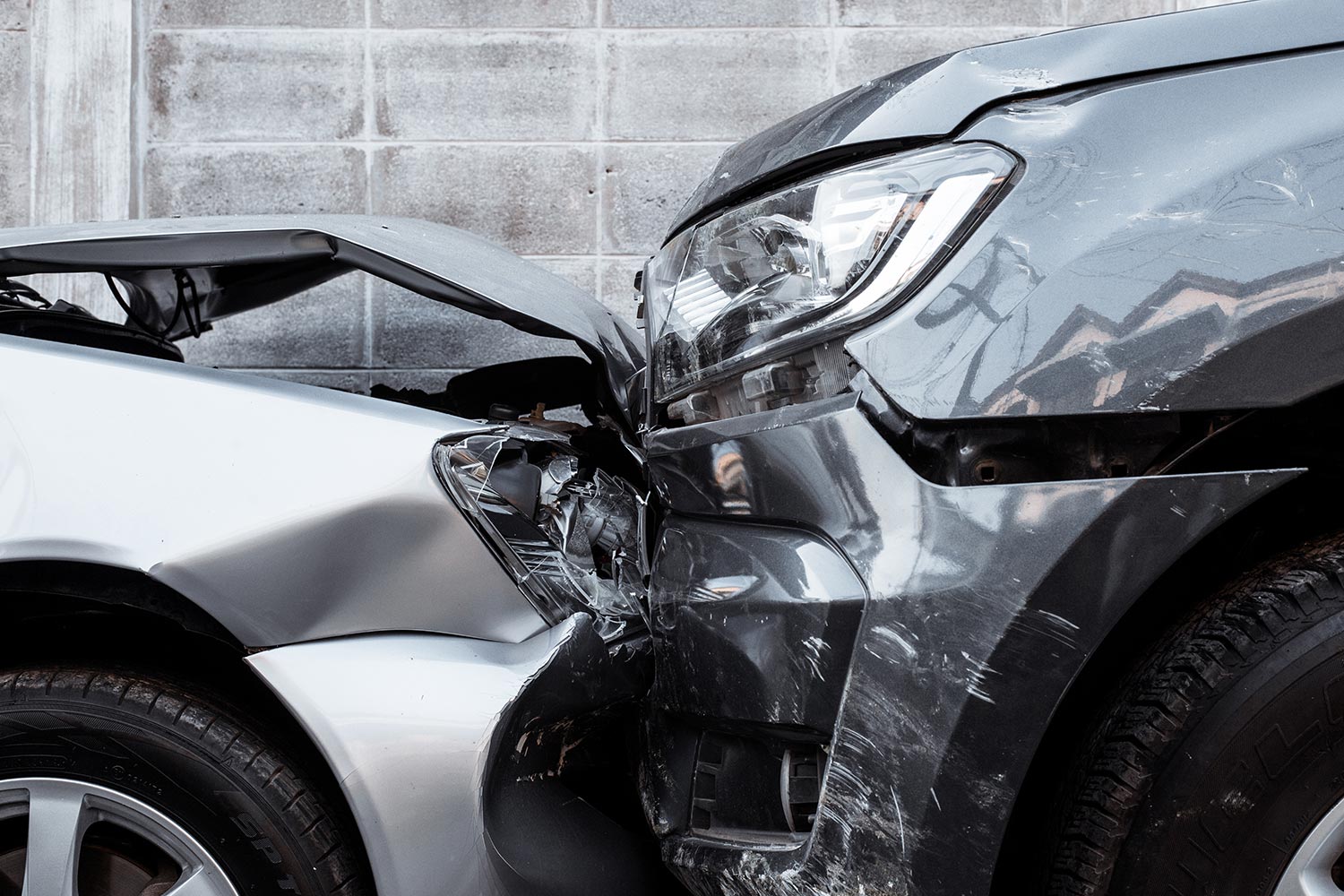
During one personal errand, the employee was involved in a vehicle accident.
The Legal Action:
Following the incident, questions arose regarding the employee’s permission to use the vehicle, whether that permission included personal use, and whether the nonprofit could be held responsible for damages resulting from the crash.
The Coverage:
The nonprofit reported the incident to its insurance broker, who initiated a claim on the organization’s Commercial Auto Liability and Physical Damage policy with Nonprofits Insurance Alliance (NIA).
Claims examiners reviewed the circumstances surrounding the vehicle’s use at the time of the accident, including whether the employee had permission to use the vehicle and whether that permission had been clearly limited.
The Result:
The claim was evaluated based on the policy terms, the facts surrounding the employee’s vehicle use, and the organization’s vehicle-use documentation.
Because permission to use a vehicle may be written, verbal, or implied through past practice, the claim review focused on whether personal use had been allowed or tolerated by the organization.
Following the evaluation, the claim was concluded through appropriate procedures.
Things the Nonprofit Did Well:
The nonprofit reported the incident promptly and cooperated with the claims review process.
The organization provided available documentation related to employee authorization and vehicle-use expectations, which helped inform the review of the accident circumstances.
How Can Your Nonprofit Protect Itself?
Nonprofits that allow employees or volunteers to use organization-owned vehicles sometimes consider how permission is granted, how personal use is addressed, and how vehicle-use expectations are documented.
Permission to use a vehicle may be written, verbal, or implied through past practice. If personal use is allowed or regularly tolerated, the organization may face questions about whether the driver had permission to use the vehicle, even if the trip was not directly related to nonprofit business.
Written vehicle-use policies can help identify who may drive, when vehicles may be used, whether personal use is allowed, and what approval is required. These policies can also address driver eligibility, safe driving expectations, incident reporting, and recordkeeping.
Clear documentation can help the nonprofit and its insurer understand the circumstances of an accident if a claim occurs.
From the Claims Files stories are for general information only. They are simplified examples and do not guarantee coverage, a defense, or any specific outcome. Some losses described in this series may not be covered.
Coverage depends on the specific facts and on the terms, conditions, and exclusions in your policy. Contact your insurance broker or agent for guidance, and follow your policy’s claims reporting procedures if an incident may involve a claim.
This story is not legal, medical, financial, or professional advice. In an emergency, contact local emergency services first. Any risk management practices mentioned are general suggestions and may not apply to every nonprofit. Follow all applicable laws, licensing rules, and reporting requirements.