

The Nonprofit:
A nonprofit dog rescue operated programs that brought adoptable dogs to children’s hospitals, assisted living facilities, and senior centers. These visits provided supervised opportunities for the animals to socialize and for participants to enjoy their company.
To support its mission, the nonprofit operated a 2,500-square-foot facility with office space and animal boarding and training areas. The organization also owned four transport vans that were parked on site when not in use.
The Incident:
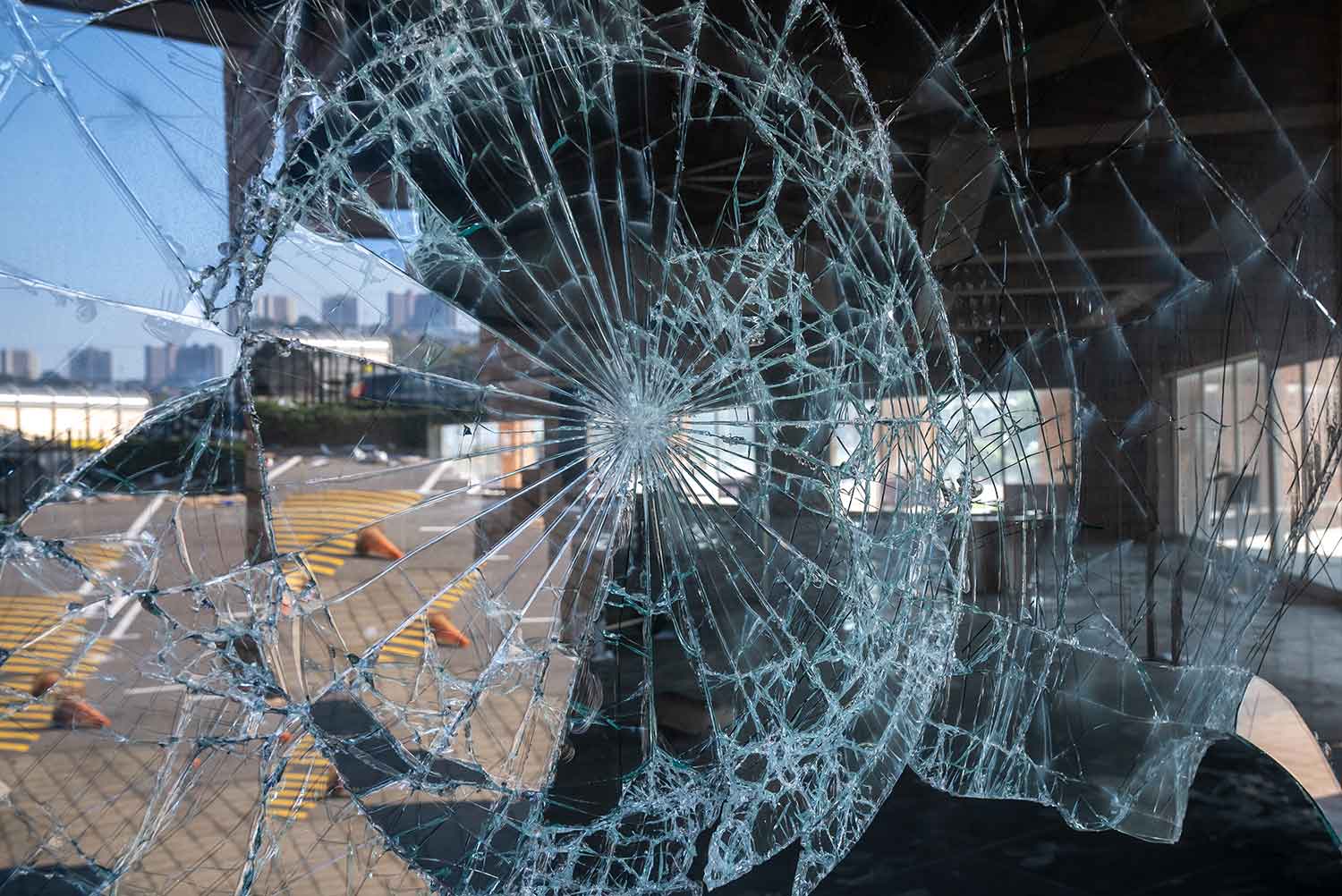
One morning, when staff arrived at the facility, they discovered several office windows had been smashed and a rear door had been pried open. Exterior and interior walls had been tagged with graffiti.
Two computers and a cash box containing approximately $400 were missing. Garbage, paper, glass, and other debris were scattered throughout the facility. Fuel had also been siphoned from all four transport vans.
None of the animals were harmed, and the boarding and training areas were not damaged.
The Coverage:
After discovering the vandalism, staff first checked on the animals. They then contacted the police, photographed the damage, and notified their insurance broker.
The broker initiated the claims process under the nonprofit’s Businessowners Property policy with Nonprofits Insurance Alliance (NIA).
The Result:
Because there was no security footage capturing the incident, no suspects were identified.
NIA’s claims examiners reviewed the police report, photos of the damage, and other information provided as part of the claim, along with the repair estimates the nonprofit had obtained.
Based on the information available at the time, these materials were used to help assess the scope of cleanup, repairs, and replacement needs.
Things the Nonprofit Did Well:
The actions below helped the nonprofit establish a clear record of what had occurred and supported timely handling of the claim:
- Staff prioritized the safety of the animals before addressing property damage.
- The nonprofit documented the damage promptly.
- Law enforcement was alerted quickly.
- The insurance broker was notified without delay.
How Can Your Nonprofit Protect Itself?
Nonprofits that operate facilities and vehicles sometimes consider how their property and facilities are monitored and secured when not in use and how damage or theft is documented if an incident occurs.
Clear procedures for responding to property damage, along with good documentation practices, can help organizations navigate the aftermath of vandalism or theft and support recovery efforts.
NIA Resources:
NIA members have access to PurchasingPoint®, a discount purchasing program that offers reduced pricing on products and services related to property operations.
This may include items such as security services, cameras, lighting, and other tools commonly used to support facility management.
From the Claims Files stories are for general information only. They are simplified examples and do not guarantee coverage, a defense, or any specific outcome. Some losses described in this series may not be covered.
Coverage depends on the specific facts and on the terms, conditions, and exclusions in your policy. Contact your insurance broker or agent for guidance, and follow your policy’s claims reporting procedures if an incident may involve a claim.
This story is not legal, medical, financial, or professional advice. In an emergency, contact local emergency services first. Any risk management practices mentioned are general suggestions and may not apply to every nonprofit. Follow all applicable laws, licensing rules, and reporting requirements.