The Nonprofit:
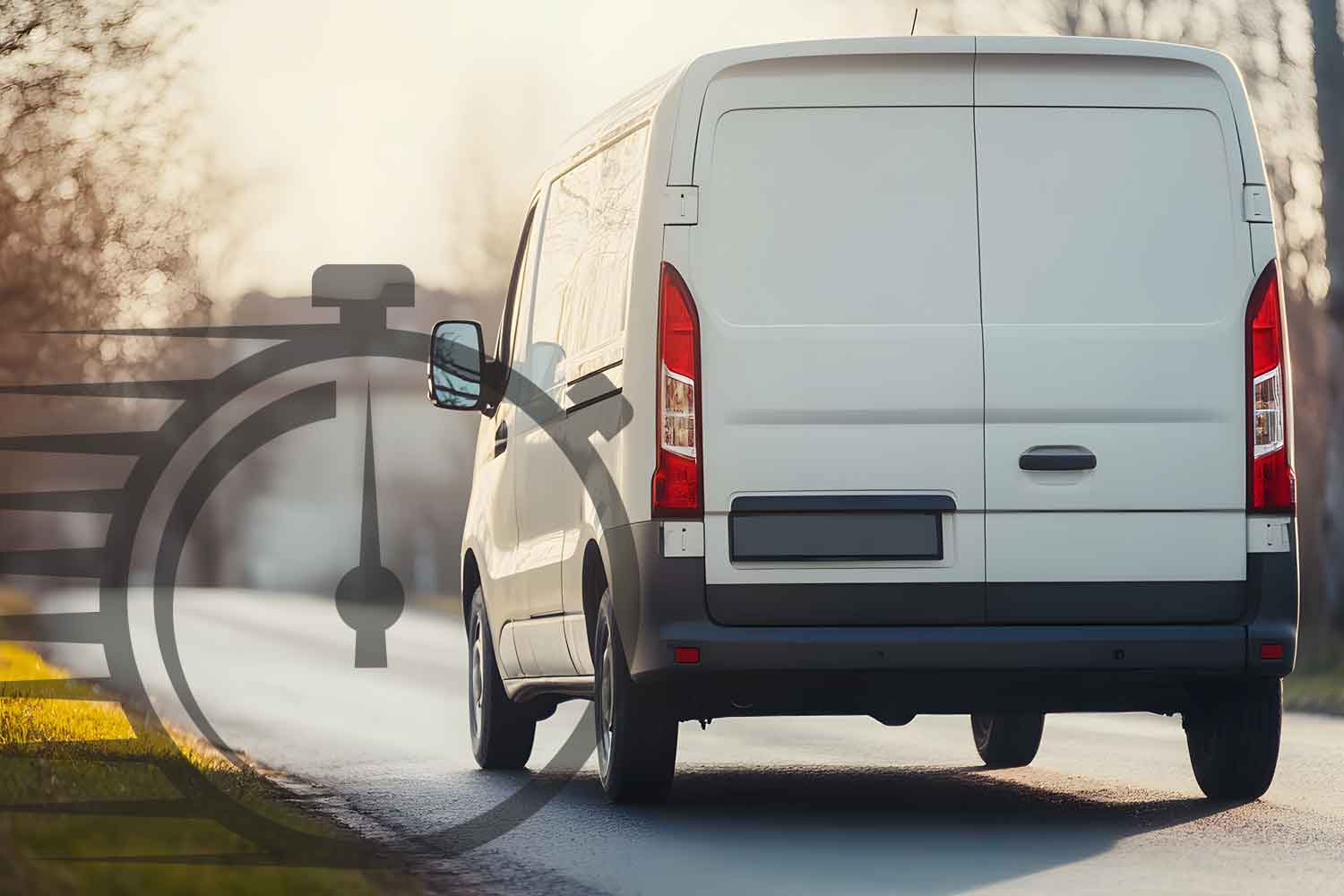
A nonprofit operated a transportation service that helped seniors and people with disabilities travel to medical appointments. To carry out this mission, the organization owned and operated a fleet of five large vans.
The Incident:
After safely dropping off a client, one of the nonprofit’s drivers was returning to the organization’s headquarters. While reversing the van into a parking space, the driver struck a concrete bollard at low speed.
The impact damaged the rear bumper, dented the right rear door, and broke the right taillight.
The driver immediately notified the nonprofit’s main office, took multiple photographs of the damage, and provided them to a supervisor.
The Coverage:
Because the damage had rendered the van unsafe to operate and unusable for the mission work, the nonprofit notified its insurance broker, who initiated the claims process under the organization’s Commercial Auto policy with Nonprofits Insurance Alliance (NIA).
The Result:
Because the nonprofit submitted multiple photos along with the claim form, the claims team was able to evaluate the damage quickly and provide an estimate.
This allowed the nonprofit to receive payment promptly and schedule repairs without delay.
Things the Nonprofit Did Well:
The driver reported the incident right away and documented the damage thoroughly with photographs.
Once the driver alerted the supervisor, the nonprofit shared the photos and other relevant information promptly with its broker as part of the claims process.
These steps supported a faster review and helped minimize downtime for the vehicle.
How Can Your Nonprofit Protect Itself?
Nonprofits that rely on vehicles for their programs may consider training their drivers about what to do in the event of an incident, such as:
- To report incidents.
- How damage is documented at the scene.
- How quickly information is shared after an accident.
Clear communication and good documentation can help organizations move through the claims process more smoothly and return vehicles to service sooner.
NIA Resources:
Eligible nonprofits insured by NIA also have free access to a broad selection of online driver safety courses, which can be used as part of internal driver training or education efforts.
NIA provides a free e book, “Arrive Safe and Sound: Tips to Help Your Nonprofit’s Vehicle Safety Program,” which discusses vehicle-use policies and procedures that nonprofits may consider when managing organizational vehicles.
Nonprofits insured by NIA have access to My Risk Management Plan, an online set of tools intended to support the development of a risk management plan that reflects an organization’s needs, priorities, and culture.
From the Claims Files stories are for general information only. They are simplified examples and do not guarantee coverage, a defense, or any specific outcome. Some losses described in this series may not be covered.
Coverage depends on the specific facts and on the terms, conditions, and exclusions in your policy. Contact your insurance broker or agent for guidance, and follow your policy’s claims reporting procedures if an incident may involve a claim.
This story is not legal, medical, financial, or professional advice. In an emergency, contact local emergency services first. Any risk management practices mentioned are general suggestions and may not apply to every nonprofit. Follow all applicable laws, licensing rules, and reporting requirements.