
Nonprofits Insurance Alliance (NIA) offers a range of liability and property coverages designed for the real‑world risks 501(c)(3) organizations face. This page breaks each coverage down in plain language — what it is intended to cover, how it typically works, and the kinds of situations where it may apply.
- Primary Focus: Detailed definitions of specific insurance products
- Who this is for: Nonprofit leaders, operations/finance staff, board members, and licensed insurance brokers supporting 501(c)(3) organizations
- Real-world Value: Practical “what this coverage is for” scenarios to help clarify common gray areas
- Eligibility: Integrated insights for 501(c)(3) organizations and their brokers
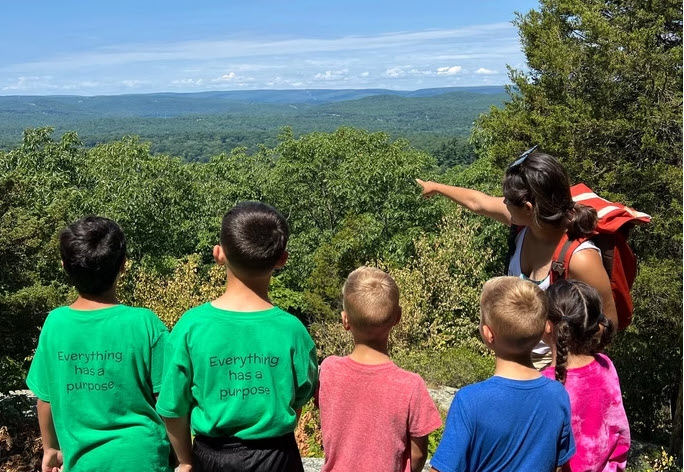
Insured by NIA:
Lokai Rose Foundation
West Milford, NJ
By translating policy concepts into clear, structured explanations, this resource helps nonprofits and brokers compare coverages consistently and ask better questions during quoting, renewal, and program changes.
Important note: Coverage depends on the specific policy form, endorsements, limits, and the facts of a situation. This hub is educational and does not replace the terms of an issued policy or guidance from a licensed broker.
Table of Contents
- What is Commercial General Liability (CGL)?
- What is Board & Executive Liability?
- What is Directors & Officers (D&O) Liability?
- What is Fiduciary Liability?
- What is EPLI?
- What is Improper Sexual Conduct and Physical Abuse (ISCPA) coverage?
- What is Social Service Professional (SSP) coverage?
- What is Commercial Auto Coverage?
- What is Non-Owned/Hired Auto Liability?
- What is Property Coverage?
- What is Volunteer/Participant Accident Coverage?
- What is Umbrella Liability Coverage?
What is Commercial General Liability (CGL)?
NIA’s Commercial General Liability (CGL) insurance is meant for issues involving people oNIA’s Commercial General Liability (CGL) insurance is meant for issues involving people outside the organization and is a core type of insurance that plays a central role in a nonprofit’s overall coverage.
If someone who isn’t part of the organization is injured or experiences alleged harm to themselves or their property, this coverage may help respond if a claim is made.
What CGL typically applies to:
- Bodily injury (to others): Situations where someone who is not part of the nonprofit gets hurt due to a nonprofit’s operations or facilities.
- Example: A visitor slips and falls in a nonprofit‑run thrift store.
- Property damage (to others’ property): Allegations that the nonprofit or its representatives may have caused damage to property owned by a third party.
- Example: During a mission‑related activity, a nonprofit damages property belonging to someone outside the organization.
- Personal and advertising injury: Certain non‑physical claims, such as allegations that a nonprofit’s statements caused harm arising from business activities, including defamation.
Important: Commercial General Liability is a basic type of insurance, but it doesn’t cover everything. Think of CGL as the starting point. It’s the main piece you build around when putting together the rest of your insurance coverage to fully protect your nonprofit’s work.
At NIA, CGL is a required coverage and forms the foundation for adding other types of insurance.
Coverage Note: All coverage is subject to the specific terms, conditions, and exclusions of the issued policy. NIA recommends reviewing these details with a licensed insurance broker to ensure your CGL works seamlessly alongside the specialized coverages it enables.
What is Board & Executive Liability?
Board & Executive Liability is NIA’s brand name for three related coverages that address certain claims connected to how nonprofit board members and executives carry out their leadership responsibilities.
Board & Executive Liability offers nonprofits three combinations of:
- Directors & Officers (D&O): This coverage applies to claims involving decisions or actions taken by board members or officers in their leadership roles.
- Fiduciary Liability: Addresses claims involving the mismanagement of employee benefit plans or breaches of the Employee Retirement Income Security Act (ERISA).
- Employment Practices Liability (EPLI): Provides coverage for certain claims brought by employees or volunteers alleging wrongful termination, harassment, discrimination, or other work-related issues.
Customizable Limits: Unlike “all-in-one” policies that share a single pool of money, NIA offers separate limits for each coverage. This ensures that a large EPLI claim does not exhaust the funds needed to defend a D&O claim.
Coverage Note: Board & Executive Liability is a “claims-made” coverage, meaning the policy in effect at the time the claim is reported is the one that responds. This coverage does not apply to bodily injury or property damage, which are typically handled under a CGL policy. All protection is subject to the specific terms, conditions, and exclusions of the issued NIA policy.
Technical Insight: Most NIA members choose to include Employment Practices Liability (EPLI) within this bundle, as employment-related lawsuits are among the most frequent and costly types of litigation faced by modern 501(c)(3) organizations.
What is Directors & Officers (D&O) Liability?
Directors & Officers (D&O) Liability insurance focuses on leadership decisions. It applies when board members or senior leaders are sued or challenged over how they managed the organization.
This coverage relates to management and oversight issues and does not apply to harm arising from routine physical or operational exposures typically handled by other types of insurance.
What D&O typically applies to:
- Leadership decisions made by board members or executives while acting on behalf of the nonprofit.
- How the organization is governed, including financial oversight, policy enforcement, regulatory compliance, and strategic direction.
- Claims involving specific people named in the policy, which may include board members, officers, trustees, and others acting on the nonprofit’s behalf.
D&O coverage is included as part of Board & Executive, NIA’s name for a group of coverages that allows nonprofits to choose from three combinations of Directors & Officers, Fiduciary Liability, and Employment Practices Liability (EPLI).
Coverage Note: Coverage is subject to the specific terms, conditions, exclusions, limits, and endorsements of the policy issued and depends on underwriting review and the facts of a claim.
What is Fiduciary Liability?
Fiduciary Liability insurance addresses certain claims that a nonprofit failed to properly manage or oversee financial responsibilities owed to others, such as individuals with rights under benefit plans.
This coverage focuses on how benefit plans and fiduciary obligations are governed, rather than day‑to‑day administrative tasks or clerical mistakes.
What Fiduciary Liability typically applies to:
- Oversight of employee benefit plans, such as employer-sponsored benefit plans.
- Fiduciary decision‑making, including duties owed to plan participants or beneficiaries.
- Claims alleging breaches of fiduciary duty, such as improper plan administration or failure to follow ERISA requirements, as defined by the policy.
Fiduciary Liability coverage is included as part of Board & Executive, NIA’s name for a group of coverages that allows nonprofits to choose from three combinations of Directors & Officers (D&O), Fiduciary Liability, and Employment Practices Liability (EPLI).
Coverage Note: Coverage is subject to the specific terms, conditions, exclusions, limits, and endorsements of the policy issued and depends on the facts of a claim and underwriting review.
What is EPLI?
Employment Practices Liability Insurance (EPLI) is designed to address certain claims alleging wrongful acts related to a nonprofit’s employment practices and interactions with employees.
EPLI focuses on people‑related disputes, such as how individuals are hired, managed, disciplined, or terminated, not physical injuries, property damage, or governance decisions.
What EPLI typically applies to:
- Employment and discipline practices, including allegations of wrongful termination.
- Workplace discrimination or harassment, including certain third‑party harassment claims, as defined by the policy.
- Employment policy and compliance allegations related to employment decisions or policies.
EPLI coverage is included as part of Board & Executive, NIA’s name for a group of coverages that allows nonprofits to choose from three combinations of Directors & Officers, Fiduciary Liability, and EPLI.
Coverage Note: Coverage is subject to the specific terms, conditions, exclusions, limits, and endorsements of the policy issued and depends on underwriting review and the facts of a claim.
Employment Practices Liability Insurance (EPLI) for Nonprofits
What is Improper Sexual Conduct and Physical Abuse (ISCPA) coverage?
Improper Sexual Conduct and Physical Abuse (ISCPA) coverage is designed to address certain claims alleging sexual or physical abuse connected to a nonprofit’s programs or operations.
ISCPA most commonly applies when third parties, such as program participants or clients, allege harm, particularly in settings involving contact with vulnerable populations.
What ISCPA commonly applies to:
- Allegations of sexual or physical abuse involving third parties, such as program participants or clients.
- Claims involving insured persons, which may include the organization and its directors, officers, employees, volunteers, interns, or others acting on its behalf, as defined by the policy.
- Situations involving vulnerable populations, such as individuals who require heightened safeguarding protections due to age or disability, especially where unsupervised contact may occur.
ISCPA coverage is commonly considered important for nonprofits whose programs involve direct care, supervision, instruction, or custodial responsibilities exist.
Coverage Note: Coverage is subject to the specific terms, conditions, exclusions, limits, and endorsements of the policy issued and depends on underwriting review and the facts of a claim. Defense and indemnity obligations, if any, are determined by the policy language.
Improper Sexual Conduct and Physical Abuse Coverage for Nonprofits
What is Social Service Professional (SSP) coverage?
Social Service Professional (SSP) coverage, also known as professional liability or errors and omissions (E&O) insurance, is designed to address certain claims alleging professional wrongdoing arising from a nonprofit’s services.
In many nonprofits, “professional services” can include social services, counseling/therapy, education/instruction, intake/case management, direct care/support roles, and in some cases certain health or wellness services—as defined by the policy. SSP focuses on liability tied to how services are provided, rather than harm that may be addressed by other liability coverages.
What SSP typically applies to:
- Direct liability: Claims alleging harm caused by the nonprofit’s own professional acts or omissions.
- Vicarious liability: Claims alleging harm caused by the professional acts of employees or volunteers for whom the nonprofit is legally responsible.
- Professional services: Claims arising from professional services provided by or on behalf of the organization, as defined by the policy.
SSP coverage generally applies to the organization and may include directors, officers, employees, and volunteers. Coverage for credentialed or licensed professionals and independent contractors varies by policy and must be reviewed with the insurer.
Coverage Note: Coverage is subject to the specific terms, conditions, exclusions, limits, and endorsements of the policy issued and depends on underwriting review and the facts of a claim. Nonprofits should review the scope of covered professional services and insured persons with a licensed insurance broker.
Social Service Professional Liability Insurance for Nonprofits
What is Commercial Auto Coverage?
Commercial Auto coverage is designed to address certain liability and physical damage claims involving vehicles owned or leased by a nonprofit.
This coverage applies when vehicles are used in the course of the organization’s operations, including use by employees or volunteers acting on the nonprofit’s behalf, as defined by the policy.
Commercial Auto coverage may apply to:
- Auto Liability: Claims alleging bodily injury or property damage to others caused by covered vehicles used in the nonprofit’s operations.
- Auto Physical Damage: Coverage for damage to vehicles owned or leased by the nonprofit, subject to deductibles and policy terms.
- Covered drivers: Policies generally define who is considered an insured driver, which may include employees or volunteers acting within their roles.
Commercial Auto coverage is distinct from Commercial General Liability (CGL) and is commonly required when a nonprofit owns or leases vehicles.
Coverage Note: Coverage is subject to the specific terms, conditions, exclusions, limits, and endorsements of the policy issued and depends on underwriting review and the facts of a claim. Auto coverage requirements and available options vary by state. Nonprofits should review their vehicle exposures and coverage needs with a licensed insurance broker.
What is Non-Owned/Hired Auto Liability?
This is liability insurance in addition to the owner or operator’s personal auto policy for bodily injury and property damage caused by a hired vehicle (including rented or borrowed vehicles) or by vehicles owned by others providing services on behalf of the nonprofit (including your employees’ or volunteers’ vehicles).
This is not protection for the individual driver. It is coverage for the organization should the organization be sued for damage.
What is Property Coverage?
Property coverage is designed to address certain losses involving physical property a nonprofit owns or leases, such as buildings and business contents.
This coverage applies when property is damaged by a covered cause of loss, as defined by the policy.
What Property coverage typically applies to:
- Buildings and contents: Coverage for physical damage to owned or leased property used in the nonprofit’s operations.
- Business income (business interruption): Coverage for certain lost income when operations are suspended due to covered property damage.
- Extra expense: Coverage for certain additional costs incurred to continue operations or resume normal activities while property is being repaired or replaced.
Covered causes of loss commonly include events such as fire or windstorms, subject to policy terms and exclusions.
Coverage Note: Property coverage is subject to the specific provisions and endorsements of the policy issued. Coverage depends on how a loss occurs and the applicable policy language. Nonprofits should review their property‑related exposures and coverage assumptions with a licensed insurance broker.
What is Volunteer/Participant Accident Coverage?
olunteer/Participant Accident Coverage is designed to provide limited, no‑fault accident coverage for certain injuries sustained by volunteers or program participants during sponsored nonprofit activities.
Unlike liability insurance, this coverage applies without regard to fault and is intended to help address medical expenses resulting from accidental injuries.
What Volunteer/Participant Accident Coverage typically applies to:
- Accidental injuries sustained by covered volunteers or participants during supervised, sponsored activities.
- No‑fault medical coverage, which may apply prior to or in excess of an individual’s health insurance, depending on the policy.
- Designated volunteers or participants, as defined and recorded by the organization and the policy.
Volunteer/Participant Accident Coverage is often used as a supplement to liability insurance and does not replace Commercial General Liability or workers’ compensation.
Coverage Note: Coverage is subject to the specific terms, conditions, exclusions, limits, and endorsements of the policy issued. Coverage scope varies by policy and underwriting. Nonprofits should review coverage requirements and how this policy interacts with other insurance with a licensed insurance broker.
What is Umbrella Liability Coverage?
Umbrella Liability coverage is designed to provide additional liability limits above certain underlying insurance policies when those primary limits are exhausted.
NIA’s umbrella is written on a follow‑form basis, meaning it generally follows the coverage terms of the underlying policies it sits above, as defined by the umbrella policy.
This coverage is intended to address large or high‑severity claims by extending available limits over qualifying primary policies.
What Umbrella Liability coverage typically applies to:
- Excess liability limits: Additional limits that apply after the limits of underlying policies, such as Commercial General Liability or Commercial Auto, have been used.
- Multiple underlying coverages: Umbrella policies may sit over more than one type of liability coverage, subject to policy terms and required underlying limits.
- High‑severity claims: Claims where damages or legal costs exceed the limits of the primary insurance policies.
Coverage Note: Umbrella Liability coverage is not a standalone policy and requires NIA’s Commercial General Liability insurance in order to be purchased. It does not replace primary liability insurance and applies only when required underlying coverage is in force. Coverage is subject to the terms, conditions, limits, and exclusions of the policy issued.
Navigating Your Coverage Options
Use this hub as a reference when reviewing proposals, preparing renewal conversations, or evaluating how different coverages work together for a nonprofit’s operations. If you need to confirm whether a specific scenario is covered, the best next step is to review the actual policy language and endorsements with your licensed broker.
Next Steps:
- Brokers: Visit the NIA Coverages Page to explore coverage resources and the benefits NIA has to offer you and your clients.
- Nonprofits: Visit NIA’s dedicated Nonprofit Page to get a better idea of what coverages are right for your organization.
Important Legal Information
This resource is for general educational purposes only and is informational in nature. It does not provide legal, insurance, financial, or professional advice.
Because every 501(c)(3) organization has unique needs, this information should not be used as a substitute for guidance from a licensed insurance professional or legal counsel familiar with your specific circumstances.