
Nonprofits Create Community is NIA’s theme for 2026, as we celebrate the ways that nonprofits come through for their communities in spite of all the challenges facing them. In this series, meet some NIA-insured nonprofits who share their stories of creating community in their own words.
Meet Chicago Public Art Group of Chicago, IL
Janice Bond, Executive Director of the Chicago Public Art Group, explains:
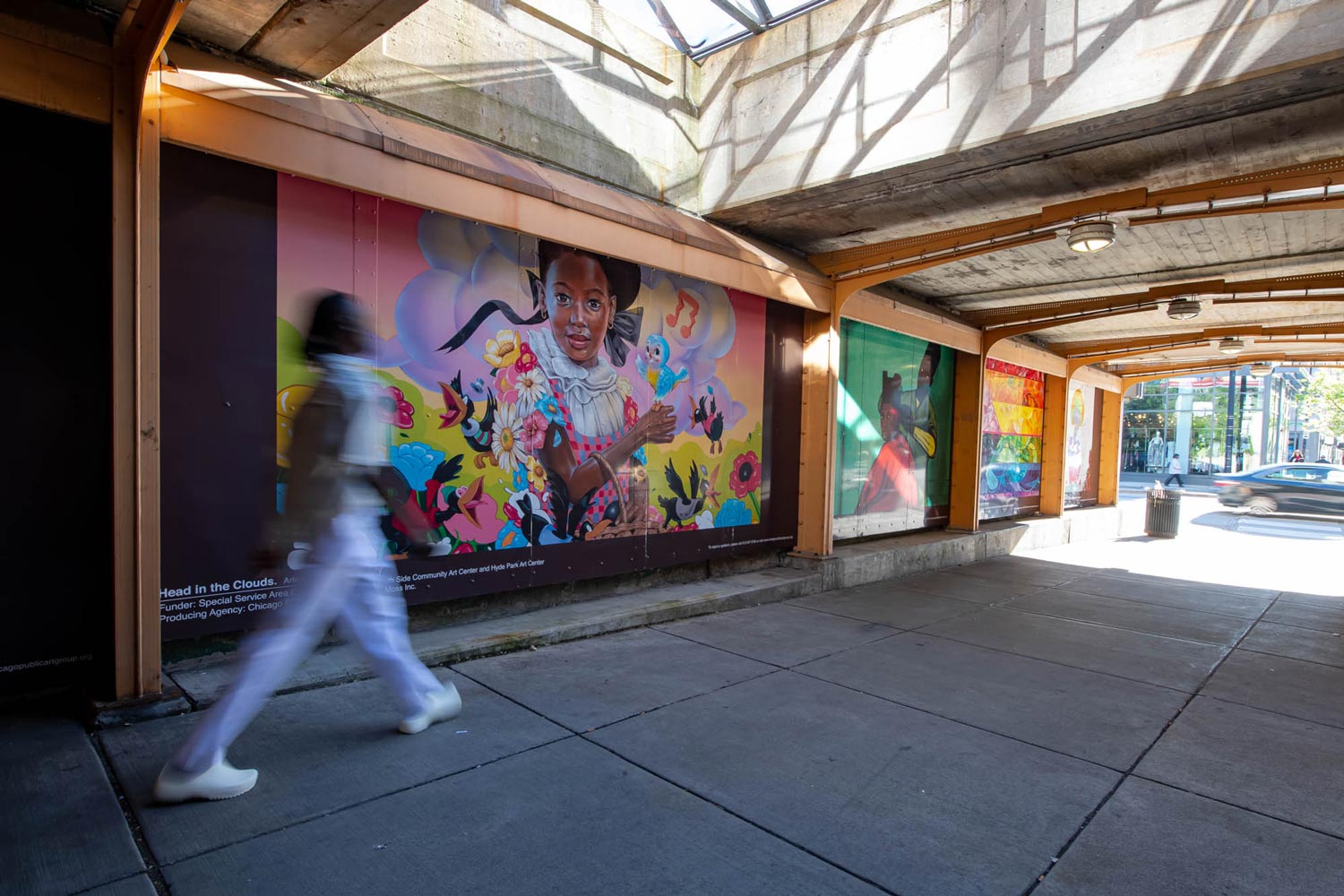
“Chicago Public Art Group creates community-centered public art through collaboration between artists and residents, using murals, mosaics, and sculpture to build pride, memory, and connection across Chicago’s neighborhoods.”
How does your nonprofit and your mission create community for the people and places you serve?
Creating gathering points that bring neighbors together.
“For 55 years, Chicago Public Art Group has used collaborative mural-making and public art as a tool to build community across Chicago’s neighborhoods, with deep roots in Bronzeville and the South Side.
We bring professional artists together with residents, young people, and local stakeholders to co-create murals, mosaics, and sculptures that reflect the history, identity, and pride of the places they live.
Rooted in the legacy of the Wall of Respect and artist William Walker, our process is as important as the final artwork. Community members participate in design sessions, hands-on fabrication, and public dedications, which builds ownership and connection to places.
These projects become gathering points that bring neighbors together long after the paint dries.”
What are your nonprofit’s biggest challenges or obstacles to creating community?
Funding cycles that don’t always align with ongoing investments.
“Sustaining long-term public art requires ongoing investment in maintenance, conservation, and site relationships, often across city agencies, property owners, and railroads.
Funding cycles do not always align with the multi-year timeline needed for meaningful community engagement, and staffing capacity limits how many neighborhoods we can serve at once.
Liability and safety concerns can also make it harder for individual artists to take on ambitious public projects independently, which is why organizational support and coverage matter so much to the field.”